
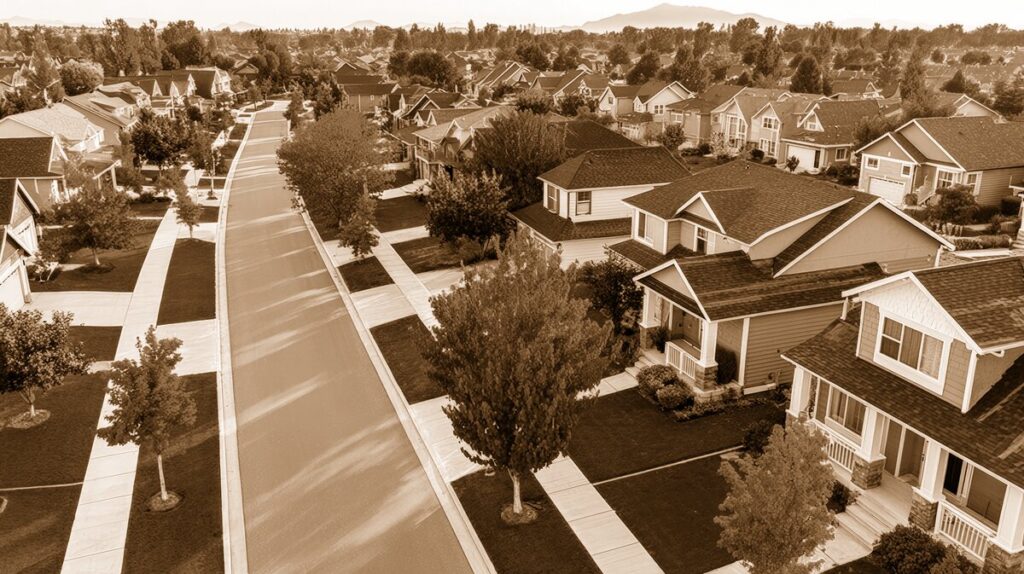
Tulsa, Oklahoma is a city that glimmers with hidden stories beneath every streetlight and turn. Among its oldest residential areas, the Tracy Park neighborhood stands out as a living testament to Tulsa’s early aspirations, architectural heritage, and evolving community spirit. Nestled just east of Downtown, Tracy Park balances a storied past with a welcoming present—making it a neighborhood beloved by residents and admired by history enthusiasts alike.
The Origins of Tracy Park
The origins of Tracy Park date back to the early 20th century, when Tulsa’s city limits were quickly expanding. Officially platted in 1919, Tracy Park was named after the neighborhood’s central green space, Tracy Park, which itself honors John Tracy, a local landowner whose real estate contributed significantly to the city’s urban landscape. The establishment of the Midland Valley Railroad nearby spurred residential development, attracting professionals who wanted easy downtown access while enjoying leafy, tranquil streets.
Bounded by 11th Street (Route 66) to the north, the Midland Valley Railroad tracks to the east, and Peoria Avenue to the west, the area became one of Tulsa’s first “streetcar suburbs.” The historic significance of its location is still felt today, with original street layouts and street names like Norfolk Avenue and Madison Avenue preserving a glimpse of the past.
How Tracy Park Got Its Name
The name “Tracy Park” celebrates John Tracy, a prominent Tulsa landowner and entrepreneur. As Tulsa boomed from a small town into a bustling oil hub in the 1910s and ’20s, Tracy’s vision helped shape the neighborhood’s unique character. His dedication not only provided land for its signature park but also set the tone for a community-oriented district—a nature-filled haven amid urban growth.
The neighborhood's namesake park, Tracy Park, still serves as its green heart. Spanning a city block along the neighborhood’s southern edge, it continues to be a gathering spot for neighbors to stroll, relax, and enjoy community events.
Key Historical Milestones
- 1920s – Flourishing Development: The roaring ’20s were a golden era for Tracy Park. Tulsa’s burgeoning oil wealth funded grand houses, and prominent architects brought Craftsman bungalows, Prairie-style homes, and beautiful brick fourplexes to life. These homes, often found along Norfolk Avenue and Trenton Avenue, have stood the test of time.
- 1930s – The Route 66 Era: As automobile travel reshaped America, 11th Street became a section of the famed Route 66. This brought more visitors and a spirit of adventure, with local shops and restaurants springing up to serve travelers and residents.
- 1950s-1970s – Urban Pressures: Postwar “urban renewal” and highway construction posed challenges to older neighborhoods like Tracy Park. Portions of the area faced threats from widening roads, and some historic properties were lost, but the neighborhood’s core—especially the park and historic homes—remained resilient.
- 1990s to Present – Historic Preservation: In 2001, Tracy Park was added to the National Register of Historic Places as the “Tracy Park Historic District.” This recognition sparked a renewed appreciation for its architecture and history, encouraging restoration and thoughtful infill development.
Notable Landmarks and Buildings
Tracy Park’s enduring charm comes largely from its built environment. Here are some landmarks and highlights:
- Tracy Park (the park itself): Lush trees, a shaded playground, basketball courts, and picnic spots make this space the social heart of the neighborhood.
- Historic Residences: Homes dating to the 1920s line Norfolk, Madison, and Victor Avenues. Look for brick bungalows adorned with original woodwork, decorative windows, and broad front porches—hallmarks of the era.
- Tracy Apartments: Situated at 1130 S. Trenton Avenue, this stately 1923 building is a local icon of classic apartment living.
- Route 66 Landmarks: Just to the north, along 11th Street, historic roadside structures echo the neighborhood’s ties to the Mother Road. The Campbell Hotel, while technically outside neighborhood boundaries, is a beautifully restored boutique inn notable for its Spanish Colonial Revival architecture.
Evolution Over the Decades
One of the enduring strengths of Tracy Park is its ability to change with the times while honoring its roots. Over the years, the close-knit community has welcomed new generations and adapted gracefully:
- Diverse Residents: What began as a professional enclave now features a vibrant mix of families, artists, students, and retirees. Apartments, duplexes, and restored single-family homes offer something for everyone.
- Community Spirit: Annual neighborhood events in Tracy Park—like seasonal picnics, holiday gatherings, and volunteer clean-ups—foster a friendly, inclusive spirit.
- Walkability and Urban Accessibility: The neighborhood’s original streetcar-era design makes it a walker’s dream. With dining and music on Cherry Street and the Tulsa Arts District within easy reach, Tracy Park remains plugged into the beating heart of the city.
- Preservation and Pride: Local residents take great pride in maintaining historic homes and gardens. The Tracy Park Neighborhood Association works actively to preserve the neighborhood’s special character and advocate for thoughtful development.
A Place Where Past and Present Meet
Perhaps what endears Tracy Park most to its residents and visitors is its harmonious blend of history and modern vibrancy. Whether you’re pausing under the mature oaks in Tracy Park, admiring the craftsmanship of a 100-year-old bungalow on Madison Avenue, or sipping coffee at a nearby café, you always feel connected to Tulsa’s rich story.
In a city constantly on the move, Tracy Park remains a sanctuary where the echoes of the past merge with the warmth of today—a living neighborhood where heritage and hospitality walk hand in hand.